Italy

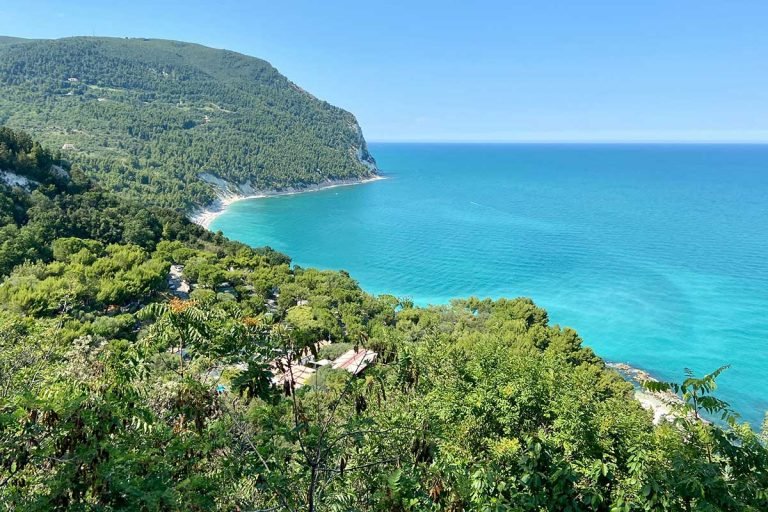
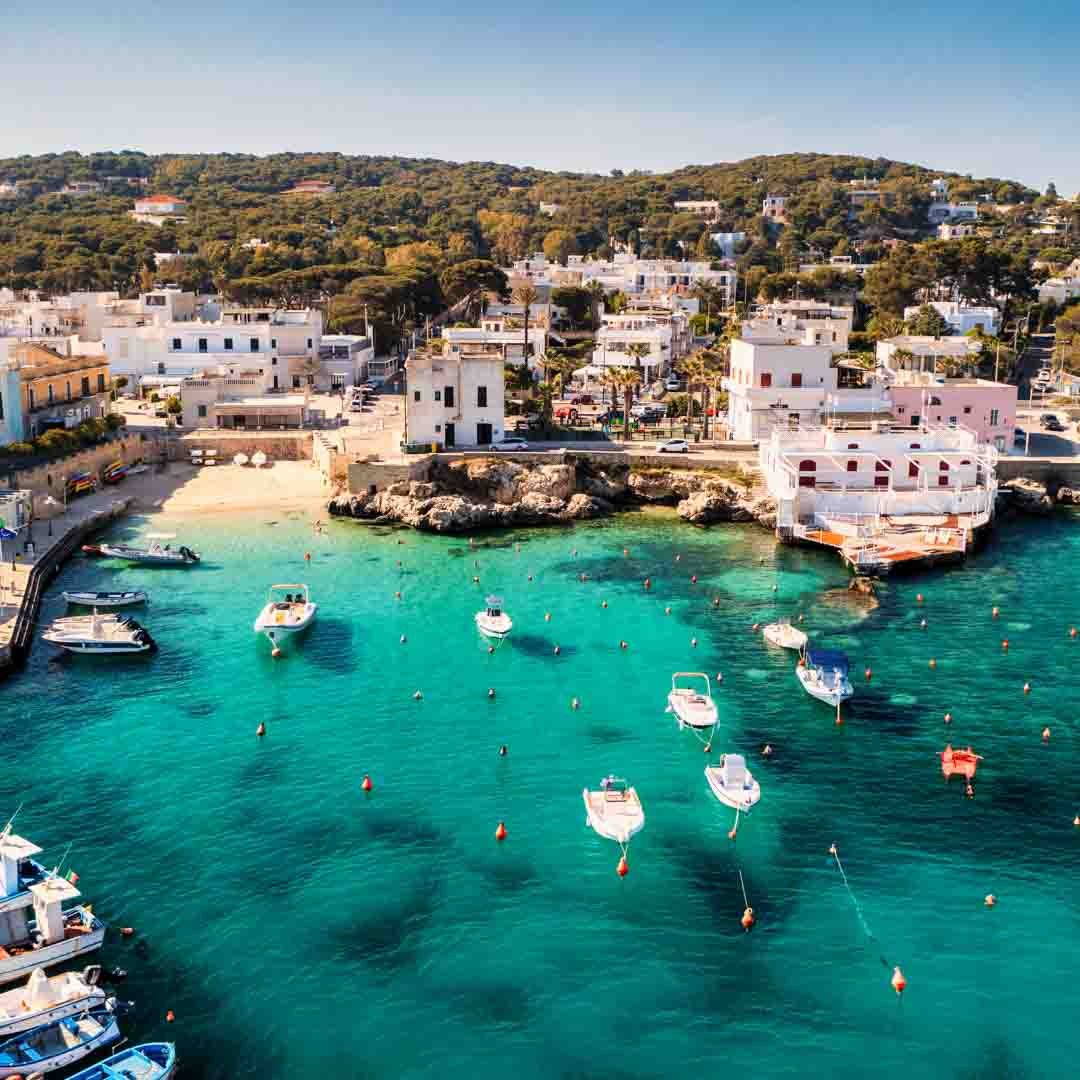
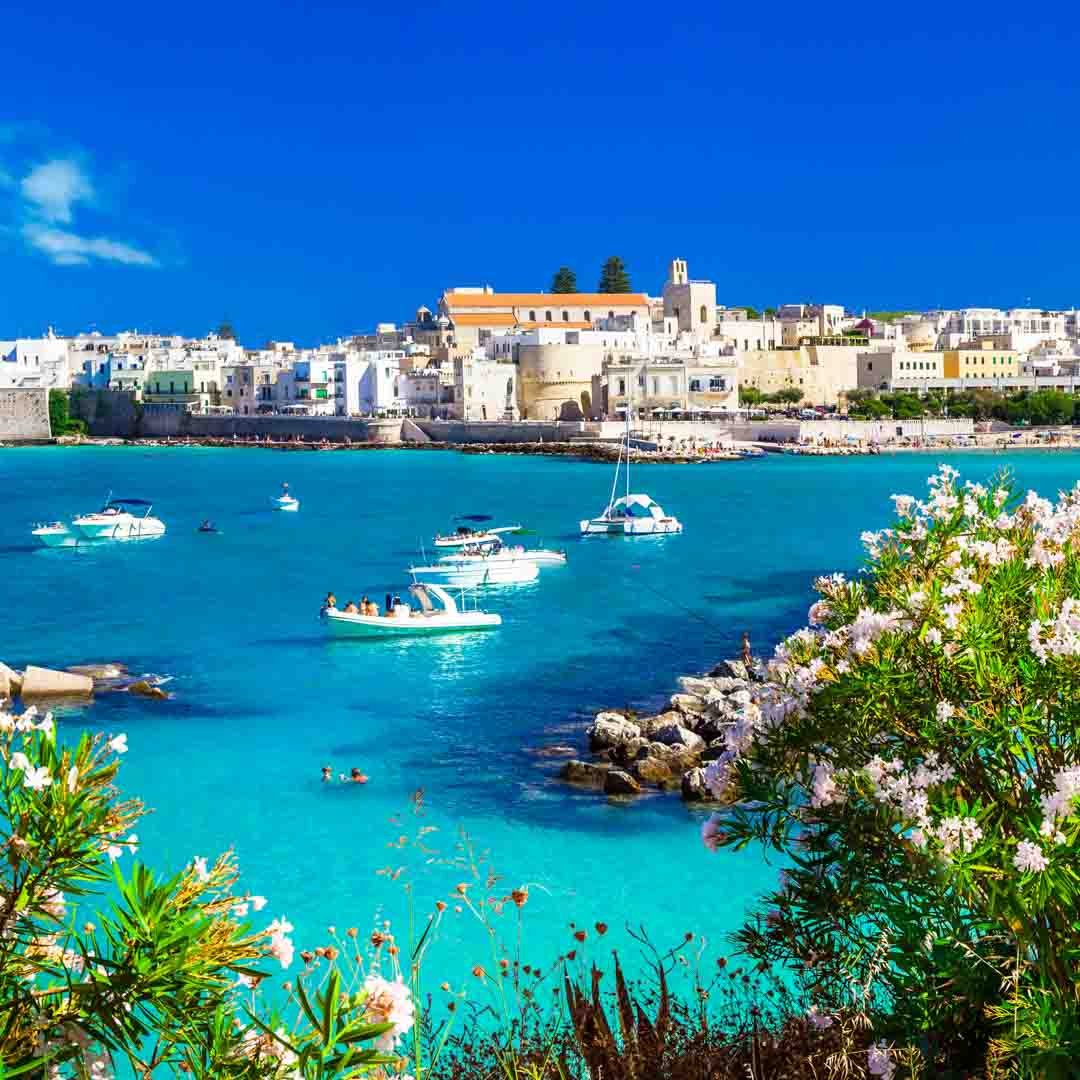
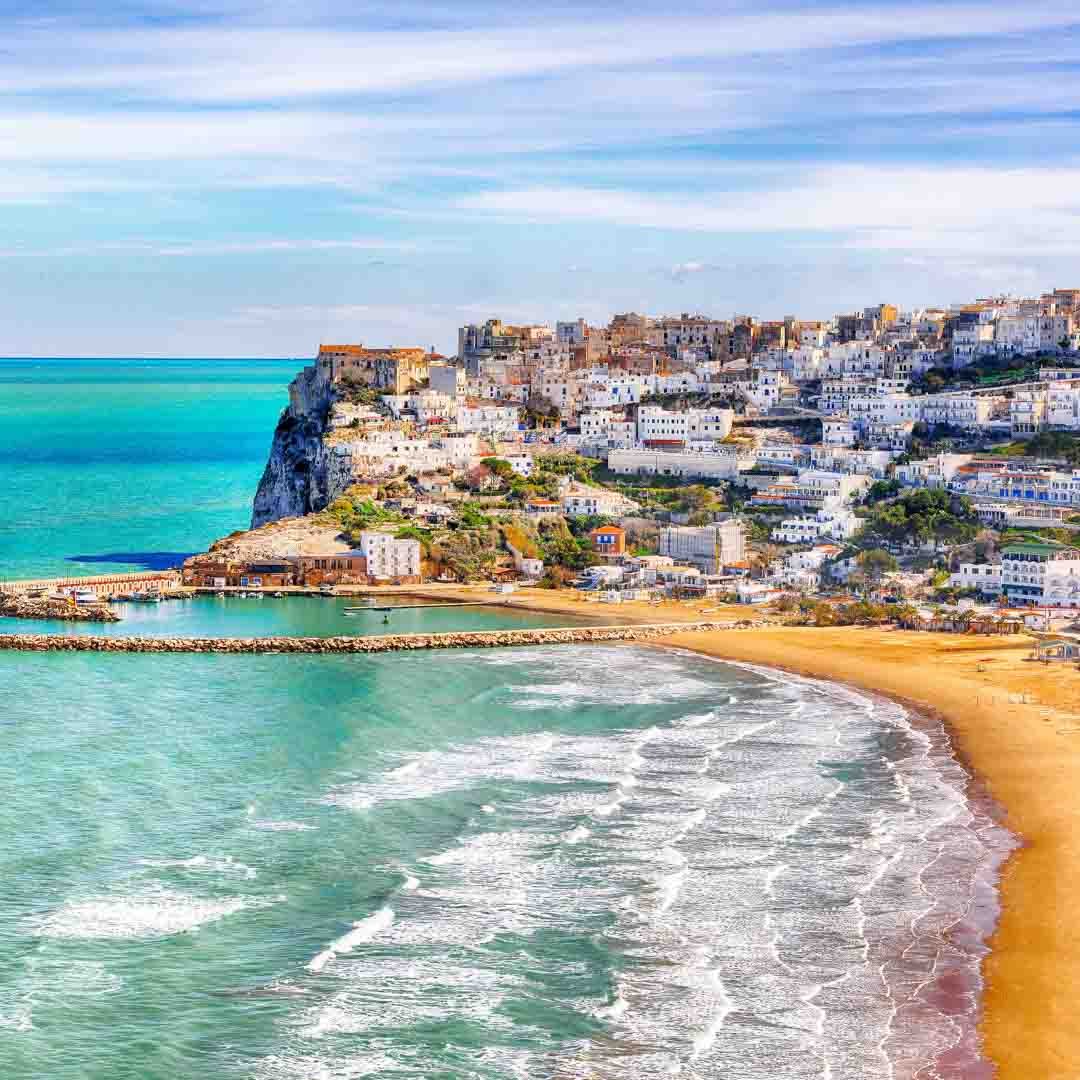
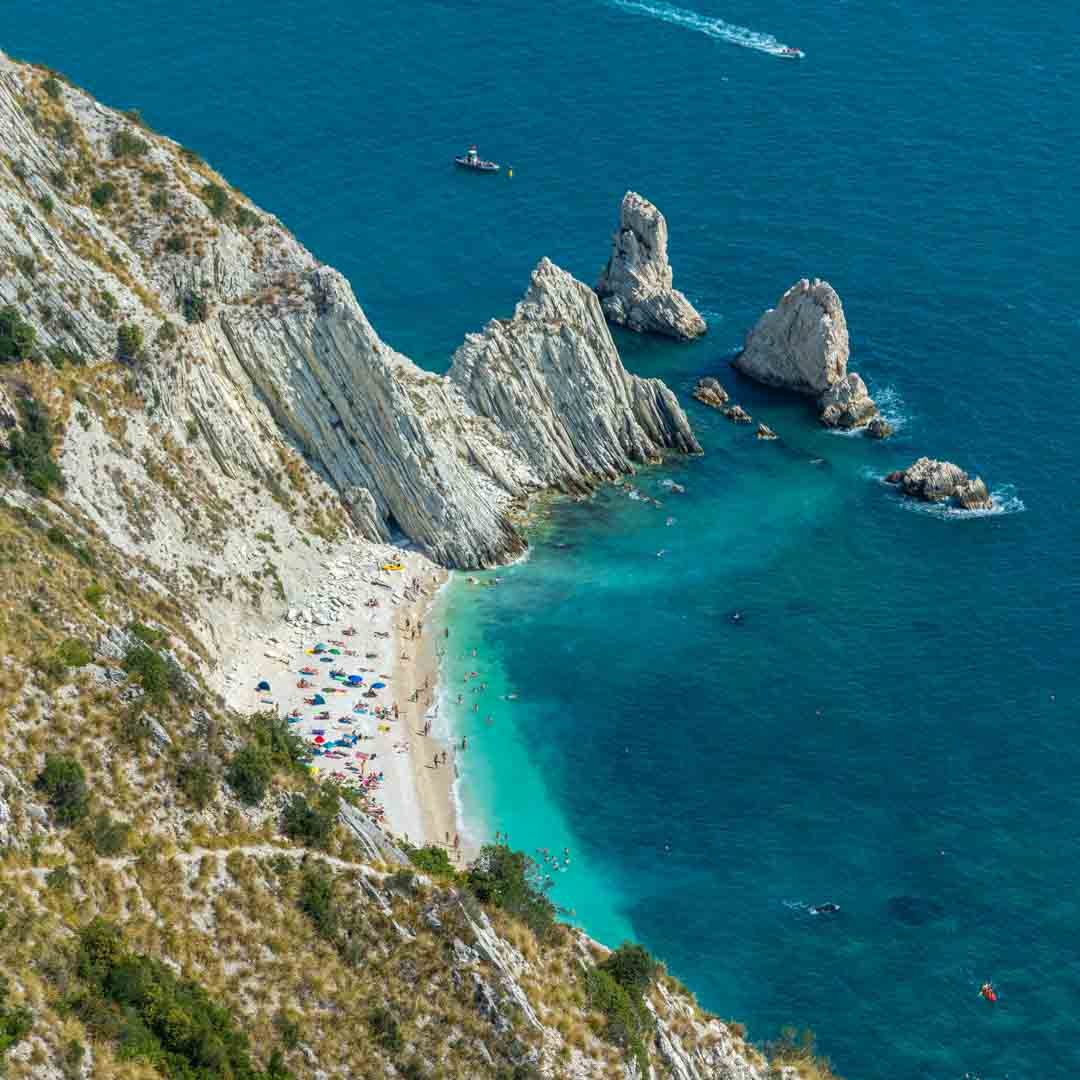
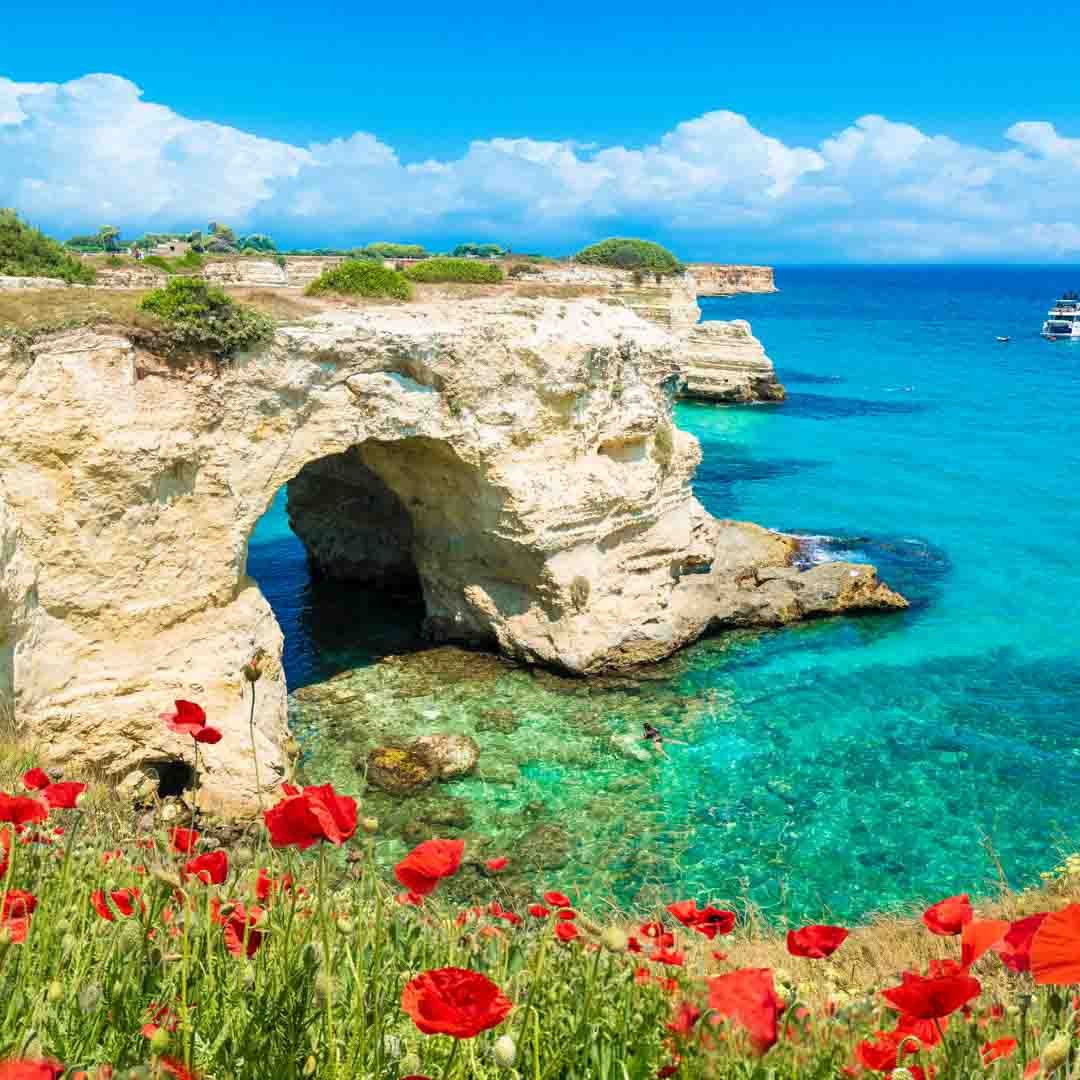
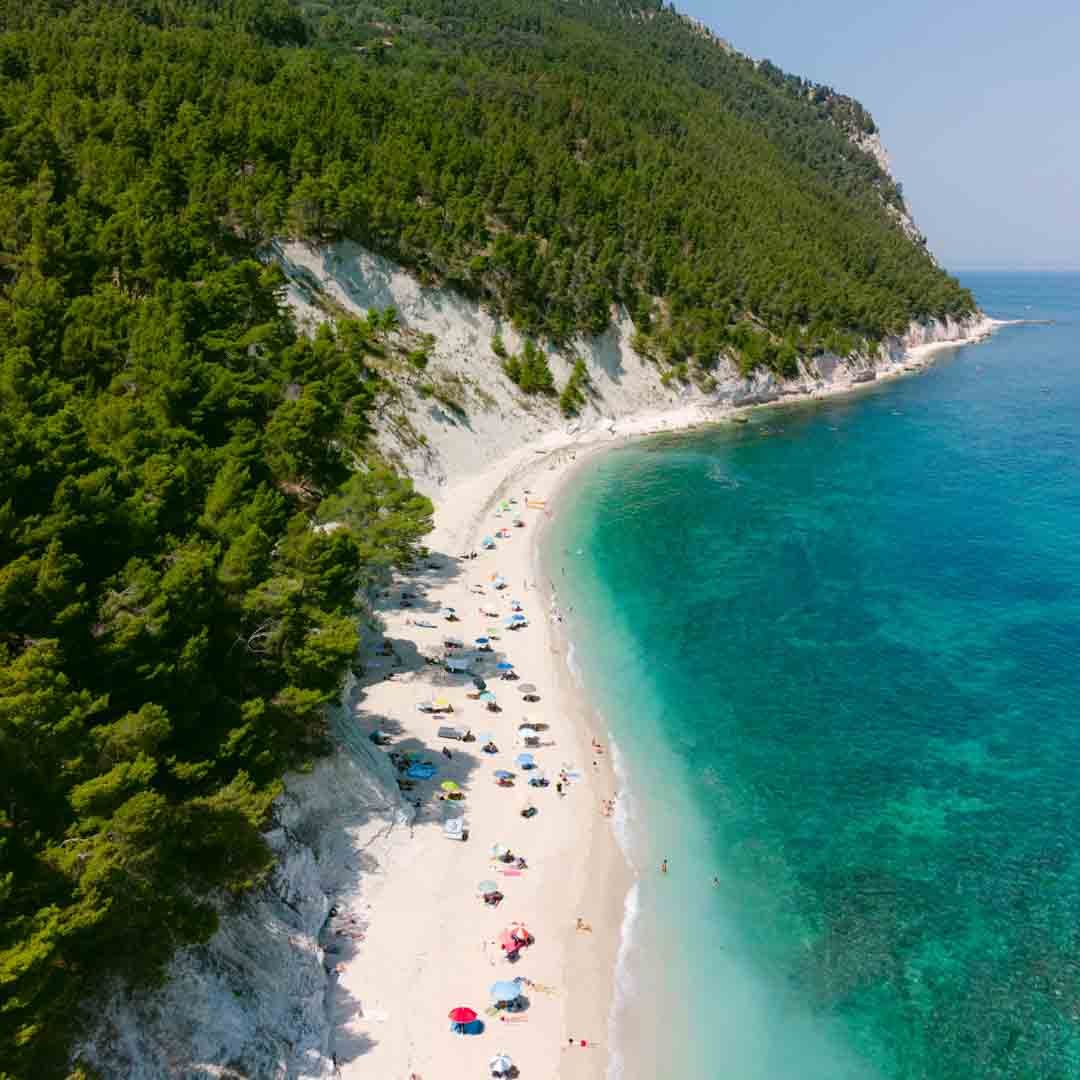
The Italian Adriatic Coast, famous for its clear waters, golden sandy beaches, and historic cities, offers visitors a unique experience of beauty and exploration.

Why You Should Visit Italy's Adriatic Coast

Italy’s east coast along the beautiful Adriatic Sea stretches from Trieste and the enchanting Gulf of Venice all the way down to the charming “heel” of Puglia. This delightful area boasts stunning landscapes, picturesque coastal villages, and a vibrant cultural history. With its clear waters and soft sandy beaches, the Italian Adriatic coast is a dream for boaters, offering endless chances for fun and relaxation. Visitors can explore quaint harbors and discover hidden coves while enjoying all the amazing attractions along the stunning coastline.

UNESCO World Heritage Sites

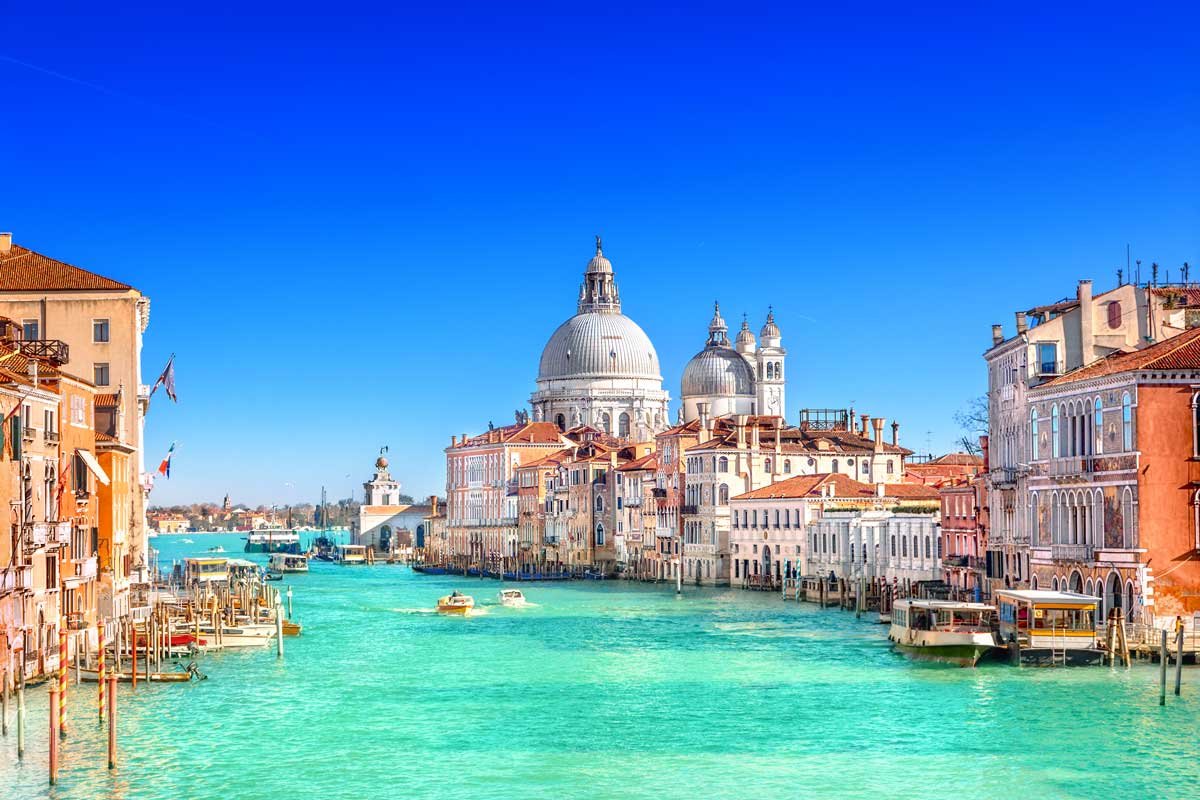
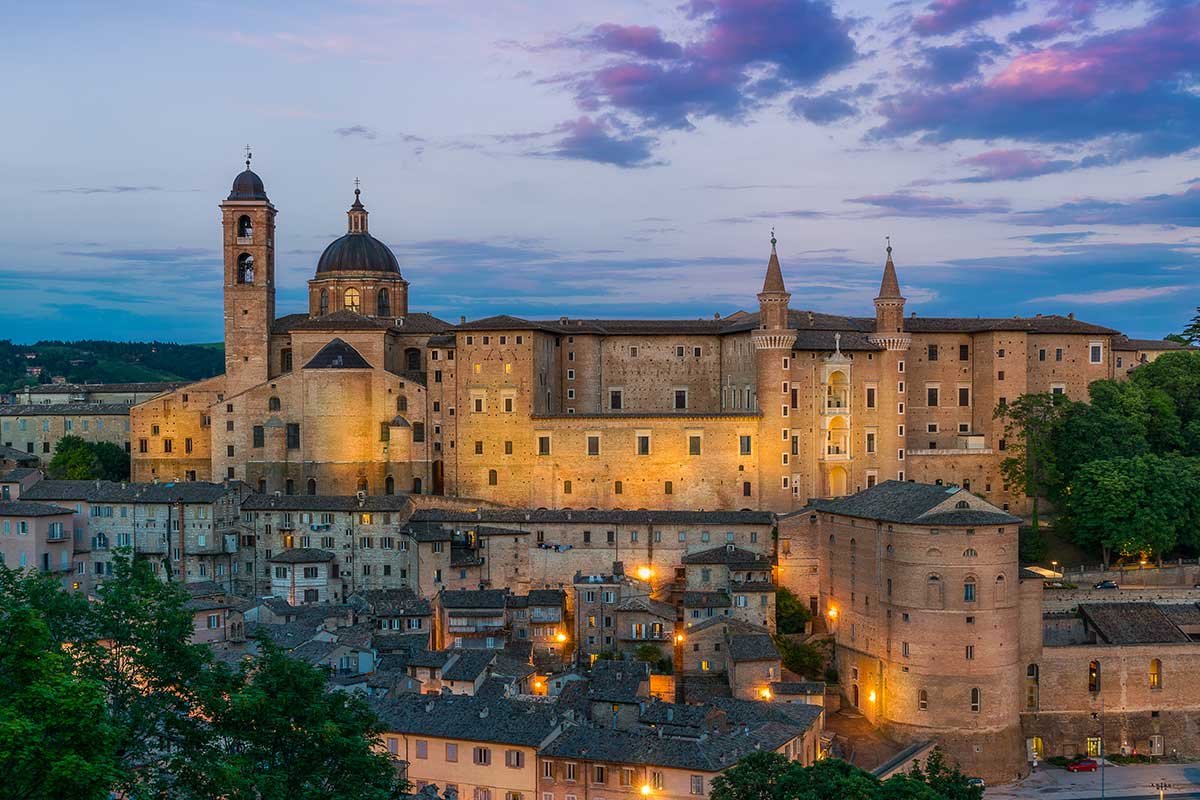
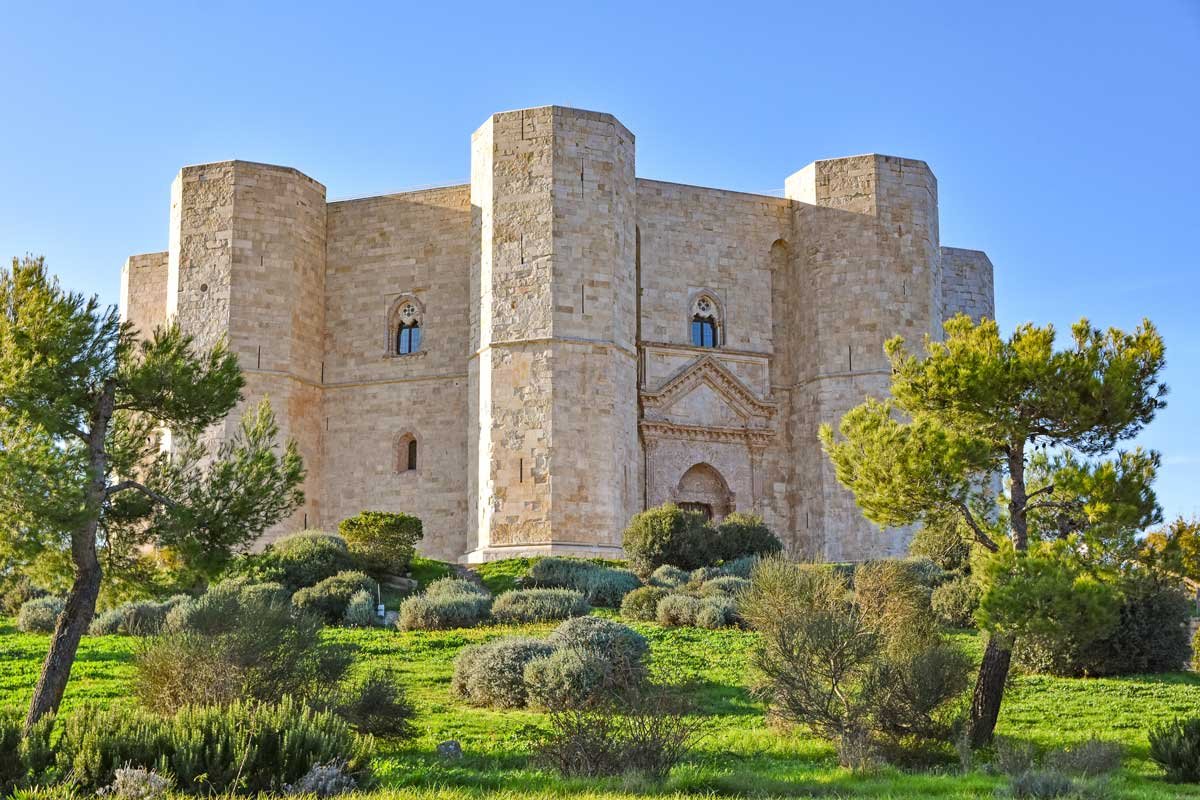
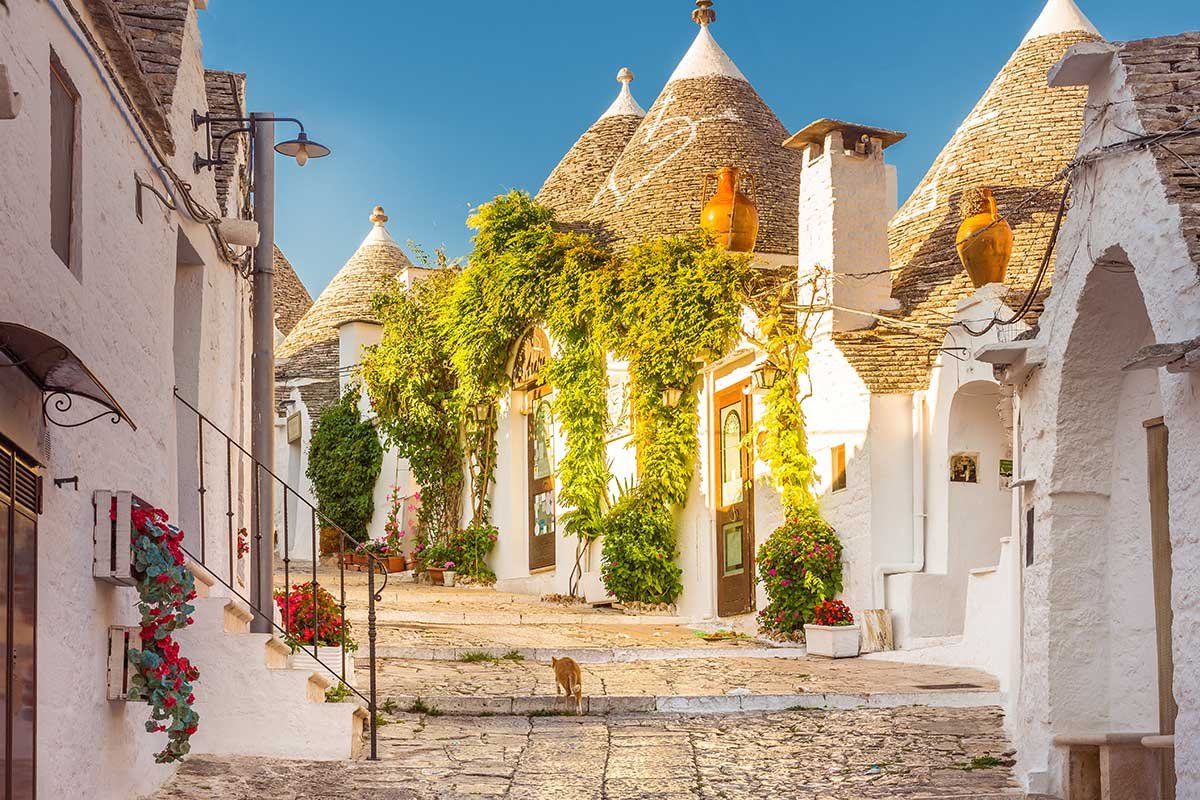
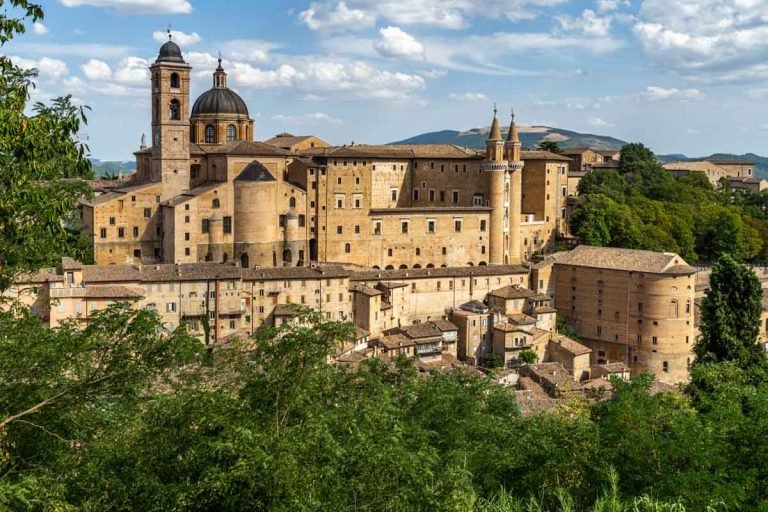
Italy proudly boasts an impressive total of 60 UNESCO World Heritage Sites, making it the country with the highest number on this esteemed list. Notable sites along Italy’s Adriatic Coast include Venice and its Lagoon, Urbino, the Trulli of Alberobello, and Castel del Monte.

Current Weather

Ancona, Italy

Best Time of Year to Visit

The best times to visit the Adriatic Coast of Italy are in May, June, September, and October. These months usually offer good weather, pleasant sea temperatures, less tourist traffic, and lower prices than in the peak summer months. While July and August have nice weather, they attract many visitors and can be hot, leading to higher costs and crowded spots.

Travelling to Italy's Adriatic Coast

By Plane

There are several airports to choose from along Italy’s Adriatic Coast, including Venice Airport (VCE), Treviso Airport (TSF), Bologna Airport (BLQ), Ancona Airport (AOI), and Bari Airport (BRI).

By Car

Traveling along Italy’s stunning Adriatic Coast by car is truly a wonderful option that offers breathtaking views and unforgettable experiences at every turn. The SS16, known as the old coastal route, can be slow due to its passage through charming towns and picturesque villages. Alternatively, taking the Autostrada is a faster option; however, it doesn’t provide the same stunning scenic coastal views that make this journey so remarkable.

By Bus

Traveling the Adriatic coast in Italy by bus is a practical option for budget travelers. Regional buses run frequently but can be slower due to many stops and fewer amenities. For longer trips, intercity buses link various towns and cities along the coast.

By Train

The Adriatic Sea can be explored by train in Italy, with the scenic Adriatic railway (Ferrovia Adriatica) running along the stunning coastline from Ancona all the way to Lecce, offering breathtaking views and an unforgettable travel experience.

Local Information

Language

Italian is the official language of Italy.

Currency

The currency used in Italy is the euro, which is divided into 100 cents. In Italy, you can exchange money at various locations, including banks, railway stations and airports.

Credit Cards and ATMs

ATMs are extremely convenient and can be found in almost all major cities and many smaller towns! Just keep in mind that fees on foreign cards can sometimes be quite high, so it’s a good idea to use ATMs at banks to help minimize those charges. Visa and Mastercard are widely accepted in Italy, while American Express and Diners Club can also be used, though their acceptance is more limited.

Additional Info:

ATMs in Italy usually provide the best exchange rates with minimal fees. Make sure the ATM is located in a bank and not a standalone machine in a tourist area.

Plugs

Italy uses two primary types of electrical plugs: Type C and Type F. The standard voltage is 230V and the frequency is 50Hz. If you’re traveling from the US, Canada, or any country that uses Type A or B plugs, you’ll need a travel adapter and/or a device that supports dual voltage! Avoid bringing your Dyson hair stylers as they will not work.

Safety

Italy is generally a safe country. Many solo female travelers find it comfortable to explore. However, it’s important to remain aware of your surroundings and take precautions, especially in crowded areas or at night.

National Holidays

Italy has 12 national public holidays. In addition to these national holidays, many cities and towns also celebrate their own patron saint’s feast day as a local holiday. Banks are typically closed on weekends and public holidays. Many shops are also open on Sundays, but their hours may be limited.

Things to Do Along Italy's Adriatic Coast

The Adriatic Coast of Italy provides a wide variety of activities for all travelers. You can explore its historic cities, enjoy water sports, or relax on its beaches. Visit charming coastal towns, taste local dishes that showcase the region’s culinary history, and appreciate the unique landscapes and vibrant culture. Whether you’re looking for adventure, relaxation, or local experiences, the Adriatic Coast has something for everyone.
At the heart of Urbino lies the stunning Ducal Palace, a remarkable architectural gem that showcases the town's rich cultural heritage. Its impressive design and historical importance draw visitors from around the...

FILTER BY:

Things To Do

Things to Do Icons

Explore Our Vacation Rentals

VACATION MOOD: ON.

What’s life without a vacation? We believe vacations are all about relaxation and creating unforgettable memories. And let’s be honest, a touch of luxury makes everything better! Camping? Not really our style; we prefer luxurious accommodations that provide both comfort and convenience. So, are you ready to unwind and enjoy your vacation?

Prčanj - Kotor, Montenegro

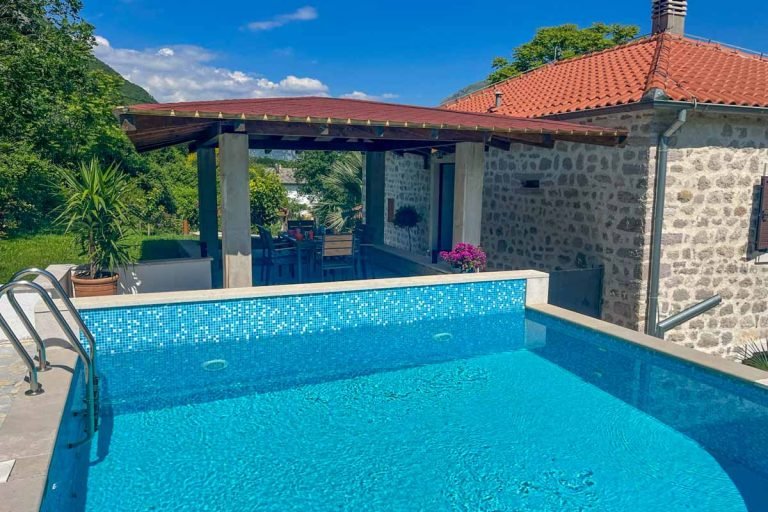
Villa Suncani

Experience luxury in our stunning Stone Villa overlooking Kotor Bay. Fully renovated in 2025.

Umag, Croatia

Villa Istria

Modern new luxurious townhouse close to the Adriatic sea with rooftop terrace.

Marche, Italy

Casa Corridonia

Charming stone house located in the historic centre of a hilltop town with panoramic views.